

 英语
英语 葡萄牙语
葡萄牙语 西班牙语
西班牙语 русский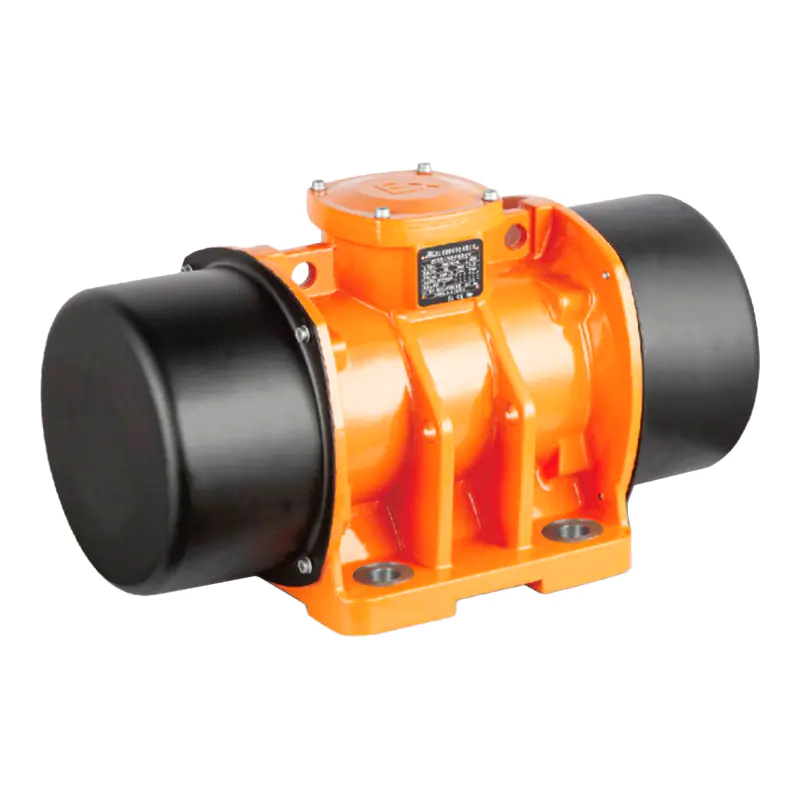
En algunos lugares de trabajo, los trabajadores pueden saber si el concreto se vibró correctamente incluso antes de que se despeguen los encofrados.
La superficie suele dar primero pequeños avisos. Comienzan a aparecer pequeños orificios cerca de las esquinas, o ciertas secciones suenan ligeramente huecas cuando se golpean más tarde. A veces el concreto parece aceptable desde la distancia, pero alrededor de las barras de refuerzo, la textura se siente más rugosa y menos compacta que en las áreas cercanas.
En muchos casos, la mezcla en sí no es el principal problema.
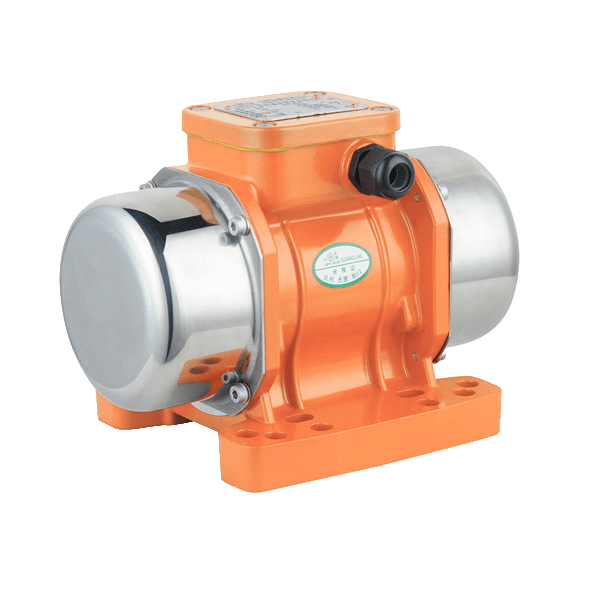
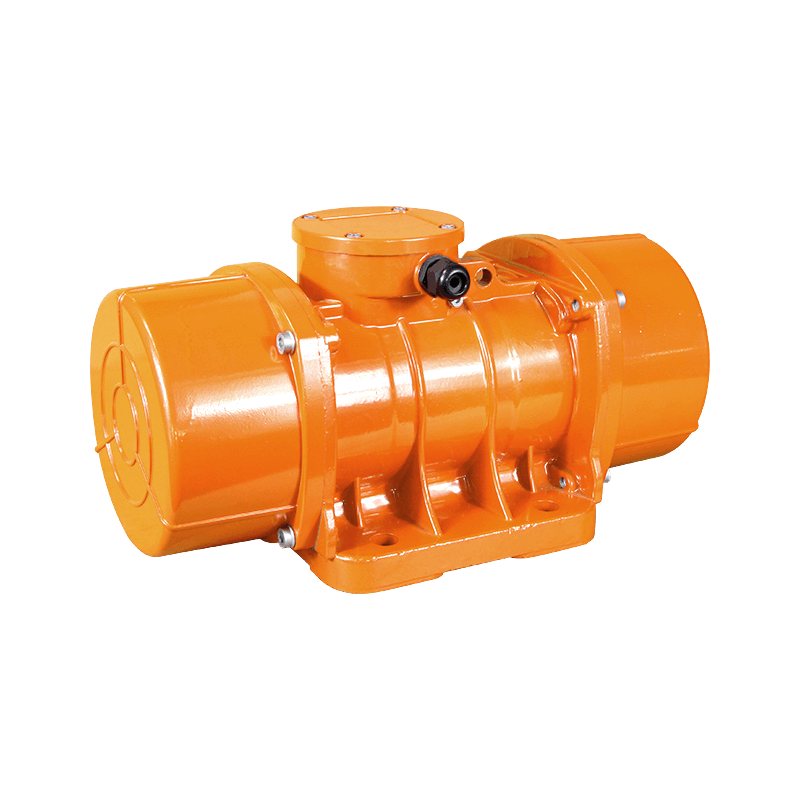
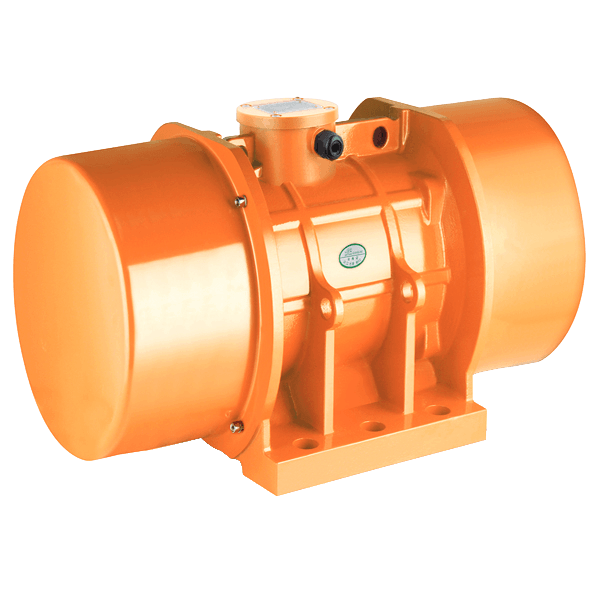
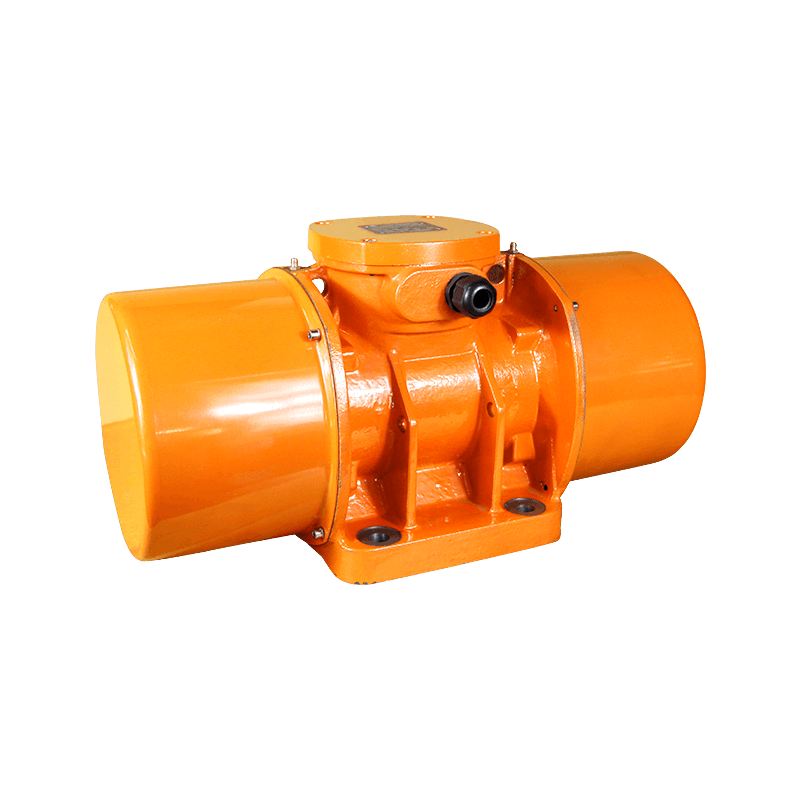
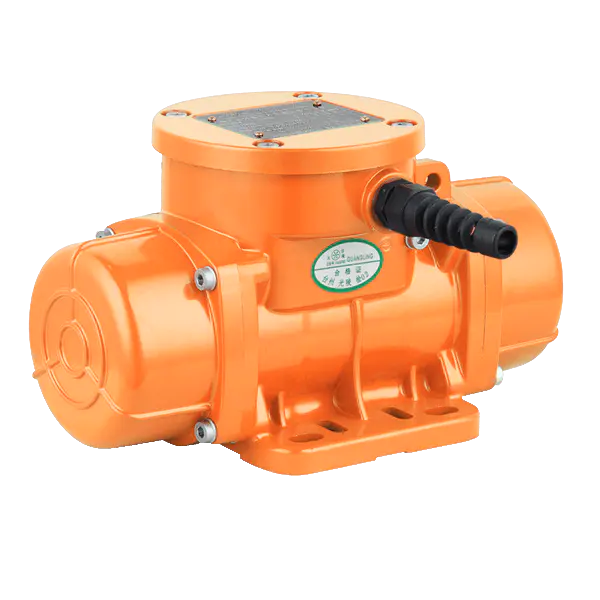
El problema comienza con cómo se movió (o no se movió) el concreto durante la colocación. Ahí es donde el motor vibrador de hormigón silenciosamente afecta mucho más de lo que la gente ajena a la industria cree.
Los equipos experimentados a menudo dicen que la vibración se trata menos de “sacudir el concreto” y más de ayudar a que la mezcla se asiente naturalmente antes de que comience a endurecerse.
El aire suele quedar atrapado cerca del refuerzo
El hormigón rara vez fluye uniformemente por sí solo una vez que el refuerzo de acero se vuelve denso.
Alrededor de las intersecciones de las barras de refuerzo, el agregado puede formar puentes mientras la pasta de cemento lucha por llenar los espacios más pequeños debajo. Los trabajadores a veces notan esto, especialmente en columnas, vigas y muros de contención, donde la disposición del acero se vuelve tensa.
Un motor vibrador de concreto adaptado adecuadamente ayuda a liberar el aire atrapado en esas secciones congestionadas antes de que el concreto comience a fraguar.
Sin suficiente vibración, los problemas suelen aparecer más tarde, como por ejemplo:
panal
agregado expuesto
bordes ásperos
huecos en las esquinas
textura superficial desigual
En realidad, algunos defectos superficiales atribuidos a un encofrado deficiente son en realidad causados por una consolidación incompleta alrededor de la jaula de refuerzo.
La sobrevibración crea diferentes problemas
Un detalle que muchos operadores nuevos pasan por alto es que una mayor vibración no siempre mejora el acabado.
Si un motor vibrador de concreto permanece demasiado tiempo en una posición, el agregado más pesado puede comenzar a separarse de la pasta de cemento. Especialmente en mezclas de alto asentamiento, la vibración excesiva a veces empuja el agua y el material fino hacia arriba mientras que la piedra gruesa se asienta más abajo.
Inicialmente, el concreto puede verse suave en la parte superior, pero internamente la mezcla se vuelve menos uniforme.
Los equipos experimentados suelen estar atentos a señales sutiles durante la vibración:
la pasta sube demasiado rápido
agregado que se hunde visiblemente
brillo superficial excesivo
liberación de aire retardada
cambiando el sonido del vibrador
En realidad, los operadores a menudo juzgan la sincronización de la vibración por cómo reacciona visualmente el concreto en lugar de usar únicamente una sincronización fija.
Las esquinas se comportan de manera diferente a las áreas abiertas
Las secciones de losa plana suelen ser más fáciles de consolidar.
Las esquinas y las secciones estrechas del encofrado se comportan de manera diferente porque el movimiento del concreto se restringe. El aire tiende a acumularse a lo largo de los bordes verticales, especialmente cuando la geometría de la forma cambia repentinamente.
Es por eso que las cuadrillas a menudo reposicionan el motor vibrador de concreto más cuidadosamente alrededor de:
intersecciones de vigas
zonas de pernos de anclaje
esquinas de la pared
tubos empotrados
bolsillos de refuerzo densos
A veces, la superficie de hormigón parece lisa en las secciones abiertas, mientras que los huecos ocultos permanecen concentrados sólo cerca de las esquinas difíciles.
En realidad, los trabajadores experimentados a menudo pueden predecir dónde aparecerán los defectos antes de quitar los encofrados simplemente observando cómo se movió el concreto durante el vertido.
La consistencia de la mezcla cambia el comportamiento de vibración
No todas las mezclas de concreto responden de la misma manera a las vibraciones.
Una mezcla más húmeda puede liberar aire rápidamente con un esfuerzo mínimo, mientras que el concreto de menor asentamiento a menudo necesita una consolidación más controlada para evitar bolsas atrapadas. El mismo motor vibrador de concreto puede comportarse de manera muy diferente según el tamaño del agregado, el contenido de humedad y la proporción de cemento.
Esto se vuelve especialmente notorio durante los cambios climáticos.
En los días más calurosos, el concreto puede comenzar a endurecerse más rápido de lo esperado, dejando menos tiempo para una consolidación adecuada antes de continuar con las operaciones de acabado.
De hecho, algunas cuadrillas ajustan ligeramente la secuencia de vertido durante el verano porque el tiempo de vibración se vuelve más difícil de controlar una vez que se acelera la hidratación.
La estabilidad del equipo es importante durante vertidos prolongados
Los vertidos residenciales cortos generalmente ejercen menos presión sobre el equipo.
Los cimientos grandes, los componentes de puentes y las estructuras de contención son diferentes. Un motor vibrador de concreto puede funcionar continuamente durante largos períodos mientras está expuesto al polvo, la humedad y la manipulación repetida en condiciones irregulares del sitio.
Si la producción de vibración se vuelve inconsistente a mitad del vertido, es posible que los trabajadores no se den cuenta de inmediato. Los problemas superficiales a veces aparecen sólo después de que avanza el curado.
Ésta es una de las razones por las que los contratistas experimentados suelen prestar atención a:
acumulación de calor en el motor
consistencia de vibración
durabilidad del cable
flexibilidad del eje
confiabilidad de inicio
De hecho, en la mayoría de las obras de construcción, un rendimiento de vibración estable suele ser más importante que la potencia máxima.
Los pequeños detalles de la superficie a menudo revelan la calidad de la colocación
Una vez retirados los encofrados, las superficies de hormigón suelen contar parte de la historia.
La textura uniforme, los bordes limpios y la densidad constante a menudo indican que el concreto se movió correctamente durante la colocación. Las áreas con vacíos dispersos o zonas rugosas a veces revelan dónde quedó atrapado el aire o dónde la vibración se volvió desigual.
Es posible que el motor vibrador de concreto en sí no parezca la máquina más importante en el sitio, pero los equipos experimentados saben que la calidad de la superficie a menudo depende de esos pequeños detalles de consolidación que ocurren exactamente en el momento correcto durante el vertido.
En proyectos muy ocupados, un buen trabajo de vibración generalmente se nota solo cuando nadie necesita reparar el concreto después.


 Teléfono: + 86-576-86320988
  Fax: + 86-576-86333217
 Correo electrónico:
  Dirección: Zona Industrial de Dayangcheng, Daxi, Wenling, Zhejiang, China